
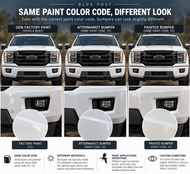
Why the Same Automotive Paint Code Can Have Different Color Variations
If you have ever ordered automotive touch-up paint using your vehicle’s factory paint code and noticed that the color looks slightly different from the paint already on your vehicle, you are not alone.
One of the most common misconceptions about automotive paint is that a paint code represents one exact color with only one possible formula. In reality, the same factory paint code can have multiple color variations, or “variants,” associated with it.
This is one of the reasons achieving a perfect paint match can be more complicated than simply looking up a paint code.
What Is a Vehicle Paint Code?
A vehicle’s paint code is an identification code assigned by the manufacturer to identify the exterior paint color used on the vehicle.
The paint code is typically found on your manufacturer sticker of the vehicle. Depending on the manufacturer, the label may be located inside the driver’s side door jamb, glove box, trunk, under the hood, or another location.
The paint code is much more reliable than the vehicle's marketing color name. A name such as “Black,” “Silver,” or “Pearl White” can be used across different models and years, while the paint code is used to identify the manufacturer's specific color formula.
However, the paint code should be considered the starting point for identifying the color—not necessarily a guarantee that every vehicle with that code will look exactly the same.
Can One Paint Code Have Multiple Variations?
Yes.
Automotive refinish paint manufacturers maintain multiple variants for many OEM paint codes. These variations are designed to account for subtle differences in how the color was produced and applied at the factory.
For example, two vehicles can have the exact same paint code but have a slight difference in appearance. One may appear slightly lighter, darker, warmer, cooler, more blue, or more red than another vehicle with the same code.
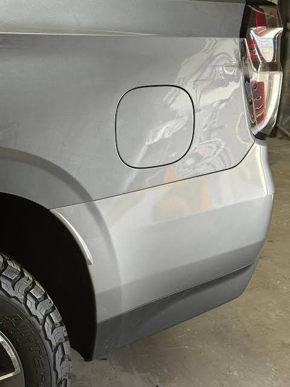
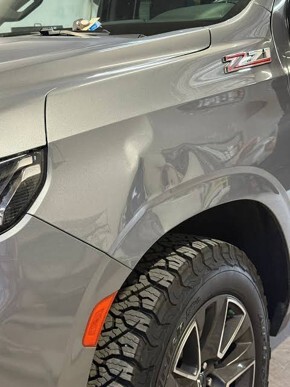
Professional refinish systems specifically account for these variations. BASF, for example, recommends checking available variant colors and comparing spray-out samples to the vehicle when identifying the appropriate formula. In a professional body shop, technicians can compare available variants against the actual vehicle using color chips or spray-out cards. With an online paint order, however, we do not have the vehicle physically in front of us to perform this type of comparison.
Why Do Paint Variations Happen?
There are several reasons why vehicles with the same paint code can have slightly different colors.
1. Different Production Batches
Automotive paint is produced in large quantities, and small differences between production batches can occur.
The manufacturer's paint code remains the same, but the actual appearance of the finished paint can vary slightly.
2. Different Manufacturing Plants
A vehicle model may be produced at different manufacturing facilities. Differences in production equipment, application processes, materials, or suppliers can contribute to subtle color differences.
Technical literature has documented that variations can occur between manufacturing locations and even between production runs of the same color.
3. Different Paint Suppliers or Formulas
Automakers work with paint suppliers and refinish manufacturers that maintain formulas designed to reproduce OEM colors.
As color databases are updated and additional vehicles are evaluated, paint manufacturers can add alternate formulas for an existing paint code to better reproduce the range of colors found on vehicles in the field.
These alternate formulas are often referred to as variants or variations.
4. Metallic and Pearl Paints Are Especially Sensitive
Metallic and pearl finishes can be particularly difficult to match.
These paints contain metallic or pearl pigments that affect how light reflects from the surface. The color can appear different depending on the viewing angle, lighting, application technique, and orientation of the pigments.
This is one reason why a color may appear to match when viewed straight on but look slightly different from another angle.
Your Vehicle's Paint Can Also Change Over Time
Even if your vehicle originally matched the factory color perfectly, the paint on the vehicle may no longer look exactly like it did when it left the factory.
Sun exposure, weather, washing, polishing, environmental contaminants, and normal aging can all affect the appearance of automotive paint.
This means a new part painted using the correct OEM paint code may sometimes look slightly different from an older body panel simply because the original vehicle's finish has changed over time.
Why the Paint Code Is Still Important
If paint colors can vary, does the paint code matter?
Absolutely.
The paint code is still one of the most important pieces of information needed to identify the correct color.
It gives a paint supplier or professional refinish technician the starting point needed to locate the appropriate formula and any available variants. At Bumpers.com, we use the standard OEM paint code formula when preparing paint for online orders.
Professional color-matching procedures may then compare available variants using color chips or spray-out cards to determine which formula most closely matches the vehicle. Most color-identification procedure specifically recommends checking variant colors and comparing them with the vehicle before selecting the formula. This type of physical comparison is not possible when ordering paint online because we do not have the vehicle available to inspect and compare.
As a result, a paint code can be correct while the finished color may still have a slight visual difference from the existing paint on the vehicle.
Why This Matters When Ordering a Painted Bumper
This is particularly important when replacing a bumper, grille, fender, molding, or other painted exterior part.
A replacement bumper can be painted using the correct factory paint code and still appear slightly different from the vehicle's existing body panels.
This does not necessarily mean the wrong paint code was used.
The vehicle may have been produced using a different color variant, or the existing paint may have changed over time.
This is especially noticeable with colors such as:
- Silver
- Gray
- White
- Pearl white
- Metallic colors
- Tri-coat finishes
The difference may be subtle, but adjacent panels can make even a small variation more noticeable.
Why We Ask for the Paint Code
At Bumpers.com, we use the vehicle's factory paint code to identify the requested color when ordering or mixing paint.
The paint code is important because it allows us to identify the manufacturer's intended color rather than relying only on a color name.
However, customers should understand that paint code matching and visual color matching are not always the same thing.
A factory paint code identifies the color family and formula information, but there can be approved variations within that code.
For customers looking for the closest possible match to an existing vehicle, a professional body shop may be able to compare the existing finish with available paint variants and perform a spray-out or other color-matching process.
How to Find Your Paint Code
If you are ordering automotive touch-up paint or a painted replacement part, start by locating your vehicle's factory paint code.
The location varies by manufacturer and vehicle. Common locations include:
- Driver's door jamb
- Driver's door
- Glove box
- Under the hood
- Trunk or spare-tire area
- Vehicle identification label
Do not rely solely on the color name listed in your owner's manual or online. The factory paint code is the more useful identifier when ordering automotive paint.
For additional information about finding your vehicle’s paint code, visit our guide:
The Bottom Line
The same automotive paint code can have multiple variations.
The factory paint code is essential for identifying the correct color, but it does not always mean that every vehicle carrying that code will have an absolutely identical appearance.
Differences in production batches, manufacturing plants, paint suppliers, application processes, vehicle age, previous repairs, and environmental exposure can all contribute to color variation.
That is why professional automotive paint matching involves more than simply entering a paint code into a database. When an exact visual match is critical, comparing paint variants and evaluating the actual vehicle finish can provide a more accurate result.
Have questions about finding your vehicle's paint code or ordering paint for a replacement bumper? Contact Bumpers.com and our team will be happy to help.